Hand-Painted White Roses: Elevate Your Wedding & DIY Designs
There’s something undeniably romantic and timeless about white roses. They whisper of purity, new beginnings, and elegant simplicity. For designers, brides, and creative entrepreneurs, capturing that delicate beauty in a digital asset can be a game-changer. This is where high-quality, hand-painted watercolor clipart steps in, offering an organic, artistic touch that stock graphics often lack. Imagine having a collection of pristine white floral elements, each stroke individually crafted to bring a genuine, artisanal feel to your projects.
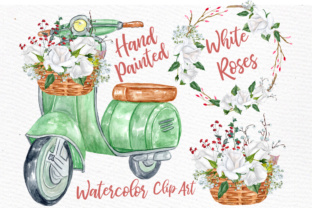
This particular set of Watercolor Roses Clipart features white flowers and white roses designed specifically for applications like wedding invitations, DIY invites, and greeting cards. What sets it apart is the authenticity of its creation. These aren't generic vector shapes; they are scanned from original, hand-painted watercolor artwork. You receive three high-resolution PNG files at 300 dpi, with each element sized at approximately 12"x10". This generous size and quality ensure your designs remain crisp and professional, whether printed large on a poster or scaled down for a social media icon.
More Than Just Flowers: Practical Uses for Your Brand
While perfect for wedding stationery, the utility of such versatile clipart extends far beyond invitations. For small business owners and content creators, these assets can become a cornerstone of a cohesive visual identity.
- Branding & Logo Design: A hand-painted floral element can soften a brand mark, making it feel more approachable and elegant. It’s ideal for businesses in the wellness, beauty, floral, bridal, or boutique retail spaces.
- Packaging Design: Use the roses as a subtle background pattern, a corner accent on labels, or a bold centerpiece on product boxes. The watercolor texture adds a premium, crafted quality to any physical product.
- Social Media Graphics: Create a consistent aesthetic across Instagram, Pinterest, and Facebook. The roses can frame quotes, highlight sale announcements, or serve as beautiful profile picture backgrounds, instantly elevating your feed’s professionalism.
- Websites & Blogs: Integrate them into website headers, blog post featured images, or sidebar decorations. They add a layer of visual interest without overwhelming your content, improving overall user engagement.
- Print Materials & Merchandise: From business cards and letterheads to tote bags and notebook covers, these high-resolution elements ensure your printed materials look sharp and distinctive.
The key is to think of these not as one-time-use graphics, but as reusable components of your brand’s visual toolkit. Their neutral white palette makes them incredibly adaptable, pairing seamlessly with pastel schemes for a soft look or with deep navy and gold for dramatic elegance.
Achieving Visual Harmony and Professional Polish
One of the greatest challenges in design is maintaining consistency across various platforms. A mismatched aesthetic can confuse your audience and dilute your brand message. Incorporating a signature design asset like this watercolor rose set helps solve that problem. When you use the same hand-painted element on your website, your email newsletters, and your packaging, you create a subtle but powerful thread of recognition.
This consistency builds trust. It shows attention to detail and a commitment to a curated experience. For a wedding, it ties the invitation to the program, the menu, and the thank-you cards. For a business, it connects the product to the marketing to the customer service experience. The professional presentation achieved through such cohesive design assets directly influences how your audience perceives your value and credibility.
Tips for Integrating Hand-Painted Elements into Your Workflow
Working with high-quality clipart requires a bit of strategy to maximize its impact. Here’s how to make these assets work for you:
- Layering for Depth: Don’t just place the rose on a flat background. Use layering techniques in your design software. Place some elements behind text and others in front, adjusting opacity to create a sense of depth and realism, mimicking how actual watercolor paper layers.
- Color Adjustments: While the flowers are white, the watercolor washes often include subtle gray and cream tones. You can gently adjust the hue/saturation to tint them to match a specific brand color palette—perhaps a blush pink or a soft lavender—without losing the hand-painted texture.
- Pairing with Typography: The organic, flowing nature of watercolor pairs beautifully with certain font styles. Consider pairing it with a elegant serif font for a classic, timeless feel, or a clean sans-serif for modern contrast. A delicate script font can also complement the floral theme, but ensure it remains legible.
- Creating Patterns & Frames: Use the individual roses to create your own repeating patterns for backgrounds. Alternatively, arrange multiple elements to form a custom frame or border for text, perfect for certificates, menus, or photo overlays.
- Commercial Considerations: Always review the license. These assets are typically provided for both personal and commercial use, which is essential for entrepreneurs and designers. Understanding the terms allows you to confidently use them in client work or products for sale.
Ultimately, the goal is to use these artistic elements to tell a story. A hand-painted white rose isn’t just a decoration; it evokes emotion, suggests quality, and communicates a specific aesthetic. Whether you’re a bride designing your dream invitations, a marketer crafting a campaign for a luxury product, or a blogger aiming to stand out, integrating authentic, high-resolution watercolor art provides a tangible advantage. It moves your projects from merely looking good to feeling thoughtfully designed and genuinely special. In a digital landscape saturated with generic graphics, that authentic, human touch is what truly resonates and engages an audience.