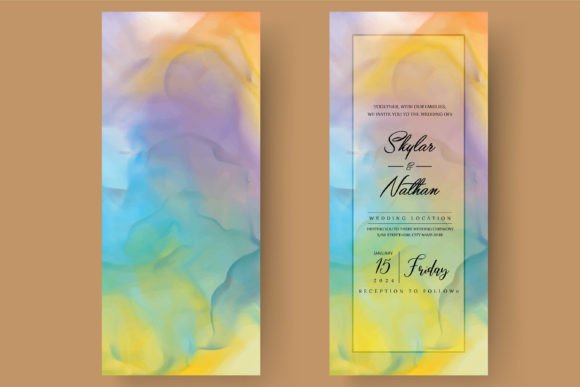
Marble & Watercolor Wedding Suite: A Designer's Guide
There's a certain magic that happens when organic, unpredictable textures meet clean, intentional design. It’s the contrast that catches the eye—a soft, bleeding watercolor wash against the rigid structure of a serif font, or the cool, veined surface of marble providing a foundation for warm, elegant calligraphy. For designers, small business owners, and creative entrepreneurs, finding assets that bridge this gap between the artistic and the professional is a constant pursuit. This is precisely why a versatile asset like the Colorful Marble Texture Wedding Menu and its accompanying Elegant Watercolor Wedding Menu Card is more than just a wedding template; it's a foundational toolkit for a wide array of sophisticated projects.
Beyond the Wedding Registry
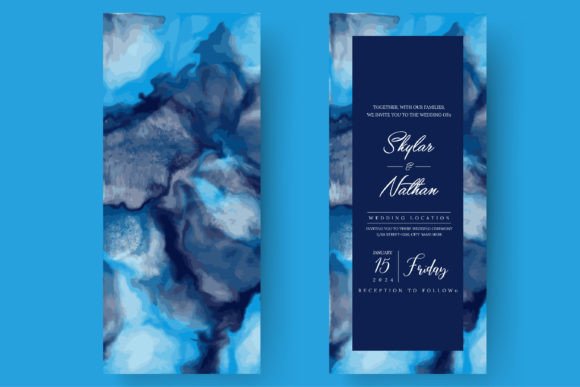
Let's be clear: while the name suggests nuptial exclusivity, the real value here lies in the components. You're not just getting a pre-made card. You're acquiring a collection of high-quality, editable design assets. The package includes EPS and SVG vector files, which are the workhorses for any professional. This means the marble texture isn't just a static image; it's a scalable, editable vector element. You can adjust colors, resize it for a billboard without losing quality, or isolate specific veins to create a custom pattern. The watercolor background is provided in both JPG and PNG formats, with the latter offering transparent options for seamless layering.
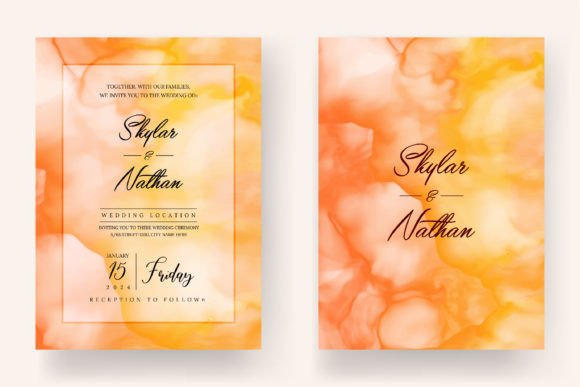
Think of the provided 5"x7" wedding card and 3.5"x5" RSVP card with bleed as proven compositions. They demonstrate how to balance the bold texture with legible typography and white space. But the real magic happens when you deconstruct them. The marble texture alone is a powerhouse. Imagine using it as a sophisticated background for a luxury brand's Instagram story, a high-end product packaging label for artisanal cosmetics, or the cover of a minimalist planner. The watercolor element is equally versatile, perfect for adding a touch of organic elegance to a blog header, a podcast cover, or a set of thank-you cards for an e-commerce business.
Building a Cohesive Brand Identity
For a small business owner or entrepreneur, visual consistency is not a luxury—it's a necessity. Your brand's aesthetic is the first handshake with your audience. Using a core set of textures and motifs, like this marble and watercolor pairing, across all your touchpoints creates immediate recognition. This asset pack is ideal for establishing that foundation.
Consider a boutique hotel or a high-end spa. The marble texture could grace their website background, their room key cards, their spa menu, and their social media ads. The watercolor accent could be used for seasonal promotional flyers or the interior of their welcome booklet. This isn't about using the same template everywhere; it's about using the same visual language. The included free font is a bonus, but the true professional value lies in the textures themselves, which can be paired with your chosen brand typeface—a clean sans-serif for modernity or a classic serif for timelessness—to create a unique yet consistent look.
From a practical standpoint, the file types provided (EPS, SVG, JPG, PNG) cover nearly every use case. The vector files (EPS, SVG) are essential for print projects where quality is paramount—think business cards, letterheads, and merchandise. The raster files (JPG, PNG) are optimized for digital use, from website banners to email newsletters. This eliminates the common headache of starting a project only to realize you lack the right file format, saving you time and ensuring a professional result whether you're working in Adobe Illustrator, Canva, or Figma.
Practical Applications for the Creative Professional
Let's move from theory to practice. How would a graphic designer, content creator, or marketer actually use this pack? The applications are surprisingly broad.
- Editorial & Publishing: Use the marble texture as a full-page background for a magazine feature on interior design or luxury travel. Layer text in a crisp, white sans-serif font for maximum readability. The watercolor element can serve as a subtle chapter divider or a decorative border for pull quotes in an e-book or digital publication.
- Digital Marketing & Social Media: Create a series of cohesive Instagram carousel posts. The first slide could use the marble background with a bold headline. Subsequent slides can use the watercolor wash as a softer background for tips or testimonials. This maintains visual rhythm while keeping content engaging. For Pinterest, the elegant watercolor card is a perfect template for creating "quote of the day" pins that drive engagement.
- Product & Packaging Design: Imagine a line of handmade soaps or scented candles. The marble texture could be printed on the box sleeve, while a subtle watercolor gradient adorns the label. For a digital product, like a set of social media templates or a printable planner, the textures can be incorporated into the design itself, adding perceived value and a premium feel.
- Event & Invitation Design: While the base is a wedding suite, the style is easily adapted. Change the wording and you have an elegant invitation for a milestone birthday, a gallery opening, or a corporate gala. The RSVP card's size (3.5"x5") is also perfect for creating stylish business appointment cards or loyalty punch cards for a salon or studio.
Key Considerations for Seamless Integration
Having a great asset is one thing; using it effectively is another. Here’s some practical advice for integrating this style into your projects.
First, contrast is your friend. The richness of a colorful marble texture or a vibrant watercolor wash can easily overwhelm text. Always ensure there is sufficient contrast between your background and your typography. Use a bold, dark font on lighter marble sections, or a crisp white font over a darker watercolor area. Test your designs in both color and grayscale to check for readability.
Second, be intentional with font pairing. The elegance of these textures calls for thoughtful typeface choices. A high-contrast serif font (like Playfair Display or Cormorant Garamond) pairs beautifully for headlines, conveying classic luxury. For body text, a clean, geometric sans-serif (like Lato or Open Sans) ensures clarity. Avoid overly decorative or complex script fonts for large blocks of text, as they can become illegible. Use script fonts sparingly for accents like names or short phrases.
Third, consider the licensing. This is a critical, often overlooked step. The asset is described as suitable for you and your client, which typically implies a commercial license that allows for end products. However, it's always your responsibility to verify the specific license terms. Can you use it in a template you sell on Etsy? Can you incorporate the texture into a logo for a client? Understanding these boundaries protects you and your clients legally. When in doubt, review the license documentation thoroughly or reach out to the creator for clarification.
Finally, don't be afraid to customize. The files are editable for a reason. Open the vector marble texture in Illustrator and tweak the hue to match a client's brand colors. Overlay a subtle noise filter to the watercolor PNG to add depth. Crop the texture in unexpected ways. The goal is to use these assets as a starting point, not a finished product. Your unique creative vision is what will make the project stand out.
In the end, the true worth of a design resource like this lies in its flexibility and the professional foundation it provides. It solves immediate problems—like needing an elegant wedding card—while also opening doors to more ambitious, cohesive projects across branding, print, and digital media. It’s a practical toolkit for anyone serious about elevating their visual communication, one beautifully textured layer at a time.