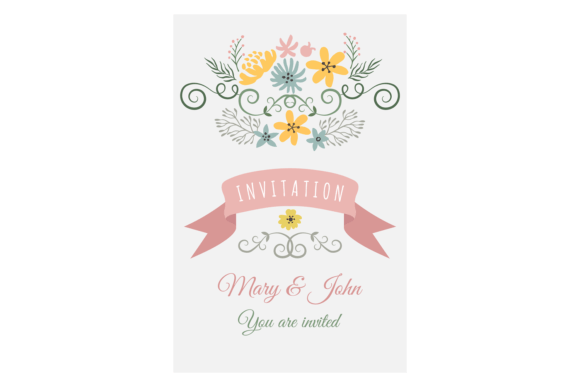
Wedding Invitation Template with Floral: A Designer's Guide to Elegance
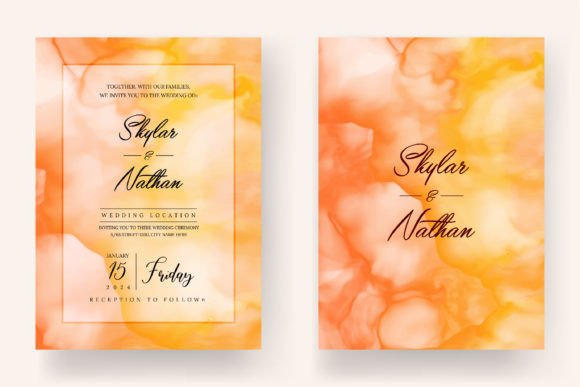
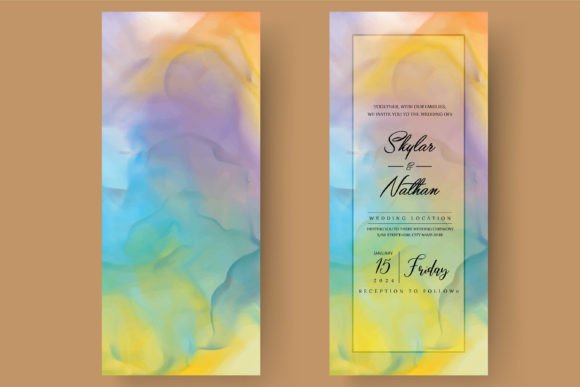
There’s a moment when a wedding invitation arrives that sets the tone for the entire celebration. Before a single word is read, the visual language speaks volumes—is it modern and minimalist, or lush and romantic? For designers and creative professionals, capturing that essence is both an art and a strategic challenge. A Wedding Invitation Template with Floral decorative bouquet elements isn’t just a pretty file; it’s a foundational design asset that communicates a specific mood, brand, and level of care. It’s the difference between a generic announcement and a piece that feels intentionally crafted to tell a love story.
The Visual Language of Floral Design
What makes a floral wedding invitation template so compelling? It’s the immediate connection to nature, romance, and timeless elegance. The decorative bouquet elements—whether they are delicate watercolor peonies, vintage botanical illustrations, or modern line-art stems—act as a visual anchor. They frame the typography, guide the eye, and create a sense of occasion. This isn’t just decoration; it’s a strategic use of visual hierarchy. The floral motifs draw attention to the key details: the couple’s names, the date, and the venue. For a designer, this built-in structure is invaluable. It provides a starting point that already feels cohesive and professionally balanced, saving hours of layout experimentation.
From Wedding Suite to Brand Ecosystem
The true power of a premium floral template lies in its versatility beyond the initial wedding suite. Think of the bouquet as a core brand asset. Once you have a beautifully rendered floral element in vector illustration EPS, JPG, SVG formats, its applications multiply. A small business owner could adapt the botanical motifs for product packaging on artisanal goods, creating an immediate association with quality and natural beauty. The elegant script or serif font paired within the template can become part of a brand identity for a boutique wedding planner, a floral designer, or a luxury stationery shop. The color palette extracted from the bouquet can inform a entire marketing asset library—from social media graphics to website banners—ensuring visual consistency across every customer touchpoint.
Practical Applications for Creative Professionals
Let’s move beyond the hypothetical. How does a designer or entrepreneur actually use this type of design asset in their workflow? The applications are surprisingly broad, leveraging the template’s inherent sophistication.
- Editorial & Blog Design: Use the floral elements as spot illustrations in a lifestyle blog or a digital magazine layout. They can break up text, add a touch of elegance to headers, and enhance the thematic content around events, gardening, or home décor.
- Social Media & Digital Marketing: The bouquet is perfect for creating Instagram story backgrounds, Pinterest pins, or Facebook event headers. It provides a visually rich backdrop that makes text overlays pop, improving audience engagement.
- Packaging & Merchandise: Imagine a tea company’s gift box wrapped in a subtle, repeating pattern derived from the bouquet’s leaves and blossoms. Or a tote bag for a boutique featuring a single, large floral element. This elevates packaging design from functional to memorable.
- Digital Products & Marketing Collateral: Use the floral border for the cover of a downloadable PDF guide, a webinar slide deck, or a professional email newsletter header. It instantly communicates a professional presentation and attention to detail.
The key is to see the template not as a finished product, but as a kit of parts. The SVG files are particularly valuable here, allowing for infinite scaling without loss of quality—perfect for everything from a favicon to a large-format poster.
Mastering the Details: Typography and Pairing
A stunning floral frame is only half the equation. The typography within a Wedding Invitation Template with Floral must be chosen with equal care to achieve readability and emotional resonance. Most premium templates will include a curated font pairing, often combining a romantic script font for names with a clean sans serif font for the logistical details. This pairing is critical.
As a designer, you should analyze why these pairings work. The script font provides the flourish and personality, while the sans serif ensures the date, time, and address are immediately legible. If you’re adapting the template for a different project, like a menu for a garden party, you might keep the script for the title but swap the body text to a serif font for a more traditional, bookish feel. Always test font pairings in context. Print a sample. View it on a mobile screen. The goal is a seamless blend where the type and the florals support each other, neither competing for dominance.
Also, review the included font styles (bold, italic, light). A bold weight of the sans serif can be used for headers in a web design project, while the light weight might be perfect for delicate captions. This built-in flexibility is what separates a truly useful premium font asset from a static image file.
Strategic Considerations for Commercial Use
For anyone using these assets in a commercial context—whether you’re a freelancer creating a client’s wedding suite or a business owner developing your own brand identity—licensing is paramount. Always verify the commercial licensing terms. Can you use the final design for client work? Can you sell merchandise featuring the modified floral elements? Understanding these terms upfront prevents legal headaches and allows you to fully leverage the asset’s potential.
Furthermore, think about differentiation. While a floral template provides a beautiful starting point, the most successful projects will involve customization. Adjust the color palette to match a client’s branding. Crop the bouquet in a unique way. Combine elements from different templates. Your value as a creative professional lies in your ability to transform a creative font and a set of vectors into something that feels uniquely tailored to a specific story or brand. The template is the catalyst; your expertise is the reaction that creates something new and engaging.
In the end, a well-executed floral design asset does more than decorate—it communicates. It speaks of care, beauty, and a considered aesthetic. Whether it’s gracing a wedding invitation, defining a small business’s look, or adding sophistication to a digital campaign, these elements carry an emotional weight that resonates with audiences. By understanding their components, mastering their typographic partners, and applying them with strategic creativity, you transform a beautiful template into a powerful tool for visual storytelling and brand recognition.