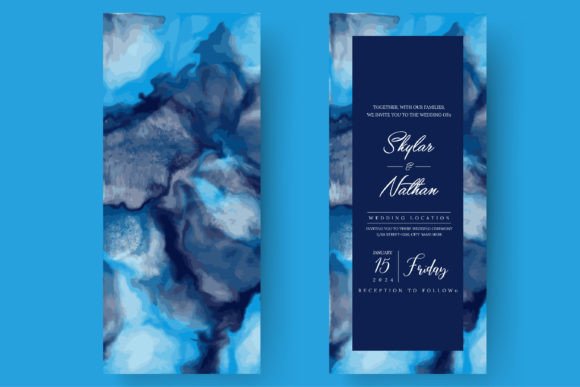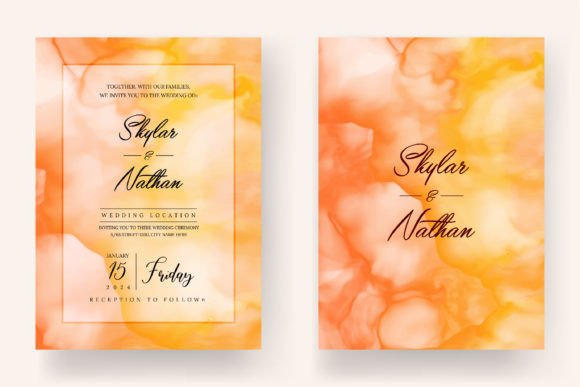
Yellow Marble Stone & Watercolor Wedding Invitation: A Designer's Guide
There’s a moment in every wedding planning journey where the aesthetic truly crystallizes. It’s not just about the flowers or the venue; it’s about the first impression—the stationery. For designers and couples alike, finding a template that balances luxury with a personal touch can be a challenge. We often see rigid, uninspired designs, but the trend is shifting toward organic textures and artistic flourishes. Imagine a design that captures the timeless elegance of stone paired with the fluid, romantic nature of watercolor. This specific aesthetic, often sought after as a Yellow Marble Stone Wedding Invitation, offers a unique visual language that speaks of stability, warmth, and artistic flair.
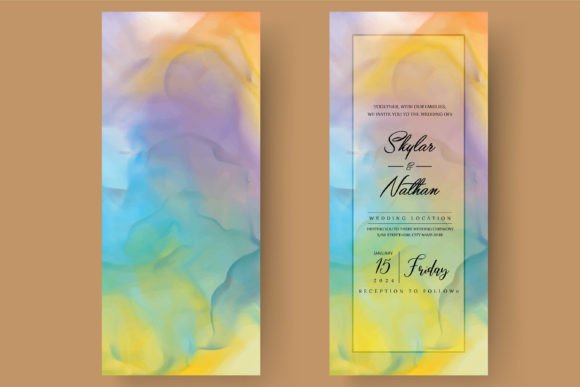
When you download a premium design asset like this, you aren't just getting a single file to print. You are acquiring a versatile toolkit. The combination of the structured marble texture with soft watercolor backgrounds creates a dynamic contrast that is visually striking. It grounds the design while allowing the typography and details to breathe. For the creative professional, this duality is a goldmine. It allows you to create a cohesive suite of materials that feels both expensive and intimate, perfect for high-end clients or personal projects that demand a polished look.
Designing for Atmosphere: The Marble and Watercolor Aesthetic
Understanding the components of this design is key to utilizing it effectively. Marble has long been associated with luxury, history, and permanence. In a Yellow Marble Stone Wedding Invitation, the yellow tones soften the coldness often associated with stone, infusing it with warmth, optimism, and a vintage charm. It feels less like a bank lobby and more like a sun-drenched European villa. On the other hand, watercolor brings an element of unpredictability and softness. It mimics nature and human touch, which is essential for events centered around love and connection.
By combining these two, you bridge the gap between formal and personal. This design style works exceptionally well for themes ranging from "Modern Romantic" to "Boho Luxe." As a designer, you can use the marble texture to anchor your layout—perhaps as a border or a background panel—while using the watercolor washes to highlight key information like the date or the couple's names. This layering technique adds depth and dimension to your work, making it stand out in a sea of flat, digital designs.
Practical Applications Beyond the Envelope
While the primary function of this asset is stationery, the real value lies in its versatility. If you are a freelancer or run a design agency, you know that having a library of high-quality, adaptable assets saves time and increases profit margins. The files included—EPS, SVG, JPG, and PNG—ensure that you can scale the design without losing quality, which is crucial for print production.
Consider how the Elegant Watercolor Wedding Invitation Card elements can be repurposed. That soft watercolor background isn't just for "Save the Dates." It can serve as a stunning backdrop for social media quotes, a textured overlay for lifestyle photography, or a subtle header image for a lifestyle blog. For small business owners, particularly those in the beauty, wellness, or fashion industries, these textures can elevate your branding immediately. Imagine a spa menu printed on a background that mimics the soft yellow marble, or a boutique’s hang-tag featuring a delicate watercolor flourish. It instantly communicates quality and attention to detail.
Technical Excellence: Working with Vector Files
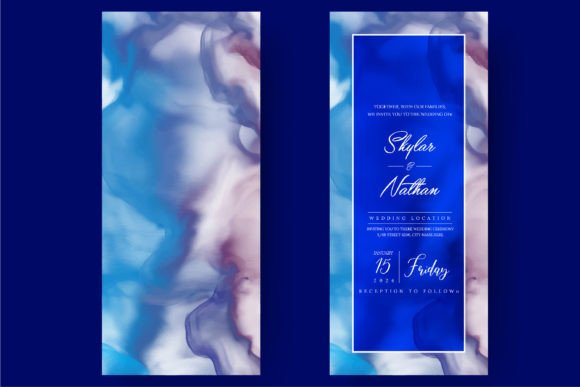
One of the most significant advantages of professional-grade templates is the file format. Having access to EPS and SVG files means the design is fully editable. You are not locked into the original colors or layout. If a client loves the marble texture but wants a rose-gold watercolor accent instead of the default, you can make that adjustment in Adobe Illustrator or similar vector software.
This level of customization is vital for maintaining visual consistency across a brand's identity. For example, if you are designing a wedding suite, you can extract the marble texture to create envelope liners, menu cards, and table numbers that all match perfectly. If you are using the Yellow Marble Stone Wedding Invitation template for a commercial project, you can adjust the typography to match the client's existing brand guidelines. The inclusion of free fonts is also a practical benefit, removing the headache of licensing fees for typefaces while ensuring the design looks exactly as intended upon download.
Typography and Layout Strategies
A beautiful background is only half the battle; the typography carries the message. When working with a textured background like marble or watercolor, readability is your top priority. The contrast between the text and the background must be sufficient to ensure the details are legible, especially for smaller text like venue addresses or RSVP instructions.
When pairing fonts with this style, look for typefaces that complement the mood without competing for attention. A classic serif font often pairs well with marble, reinforcing the traditional and elegant vibe. Alternatively, a clean sans-serif can modernize the look, preventing the design from feeling too dated. For the "Elegant Watercolor Wedding Invitation Card" look, a flowing script font for headers adds a romantic, handwritten feel. However, use scripts sparingly—limit them to names or main headlines to maintain clarity. Always print a test proof to check how the ink interacts with the paper stock, as watercolor details can sometimes look different on screen than in print.
Leveraging Design Assets for Business Growth
For creative entrepreneurs, time is money. Using high-quality pre-made templates isn't about cutting corners; it's about smart workflow management. By starting with a sophisticated base like the Yellow Marble Stone Wedding Invitation, you skip the hours spent searching for textures or trying to blend elements yourself. This allows you to focus on the strategic aspects of the design—how it communicates the client's message and solves their problem.
Think about the scalability of this asset. You can use the watercolor elements to create a series of digital products, such as desktop wallpapers, Instagram story templates, or printable art. If you are a content creator, having a consistent aesthetic is key to brand recognition. Using these specific textures across your thumbnails, headers, and promotional graphics creates a signature look that your audience will come to recognize. It’s a subtle but powerful way to build a cohesive visual identity that feels professional and curated.
Ultimately, the goal of any design asset is to facilitate creativity and solve problems. Whether you are helping a couple announce their big day or building a visual identity for a boutique brand, the combination of yellow marble and watercolor offers a flexible, elegant solution. It proves that with the right tools, you can deliver high-end results that resonate with audiences and stand the test of time.